Hey there, fellow pond enthusiasts! I’m a supplier of pond stones, and I often get asked this burning question: Are pond stones porous? Today, I’m gonna dive deep into this topic and share everything I’ve learned over the years in the business. Pond Stones
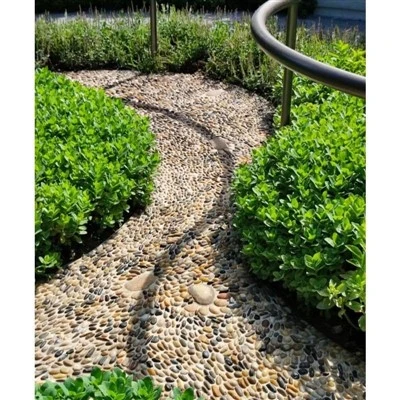
Let’s start with the basics. What does it even mean for a stone to be porous? Well, a porous stone has tiny holes or pores in its structure. These pores can absorb liquids, like water. You can think of it as a sponge on a smaller, rockier scale. When water comes into contact with a porous stone, it can seep into those little pores and get trapped inside.
Now, not all pond stones are created equal. Some are super porous, while others are almost as non – porous as a glass marble. The porosity of a pond stone depends on a few key factors.
First up is the type of rock. Different types of rocks have different compositions and formations, which directly affect their porosity. For example, limestone is a pretty porous stone. It’s made up of sedimentary materials that have been compressed over time. The spaces between these sediment particles create pores. If you have a limestone pond stone, you’ll notice that it can absorb water quite easily. You might even see it darken a bit as the water soaks in.
On the other hand, granite is much less porous. Granite is an igneous rock that forms from the cooling and solidification of magma deep within the Earth. Its dense, crystalline structure leaves very little room for pores. So, when you use granite pond stones, they’re not going to soak up water like a sponge. They’ll stay looking pretty much the same even when they’re wet.
Another factor that affects porosity is the stone’s age and weathering. Older stones that have been exposed to the elements for a long time might have more porosity. Weathering can break down the surface of the stone, creating new pores or enlarging existing ones. For instance, if a stone has been sitting outside in a rainy area for decades, the constant exposure to water and wind can make it more porous over time.
So, why does it matter if a pond stone is porous or not? Well, there are a few reasons.
One of the main things is water quality. Porous stones can act like little filters in your pond. The pores can trap debris, dirt, and even some harmful bacteria. This can actually help keep your pond water cleaner. But there’s a flip – side to this. If the water in your pond has chemicals or pollutants, the porous stone can absorb those too. And over time, these absorbed substances might leach back into the water, causing problems for your fish and plants.
Aesthetically, porosity can also make a difference. When a porous stone gets wet, it can change color. This can add a really cool visual effect to your pond. Imagine having a pond full of stones that look one way when they’re dry and then transform into a deeper, richer color when they’re wet. It’s like having a living, breathing work of art in your backyard.
Maintenance is another consideration. Porous stones can be a bit more of a hassle to clean. Since they absorb dirt and debris, you might need to scrub them more often to keep them looking their best. Non – porous stones, on the other hand, are usually easier to clean. You can just give them a quick rinse, and they’re good to go.
Now, as a pond stone supplier, I’ve got a wide range of stones in stock, each with its own level of porosity. If you’re looking for a stone that can help with water filtration and add a bit of color change, I’d recommend some of the more porous options like sandstone or tufa. These stones are great for creating a natural – looking pond environment.
If you’re more concerned about easy maintenance and water purity, then non – porous stones like slate or quartzite might be the way to go. They’ll keep your pond looking clean and clear without all the extra work.
I’ve seen firsthand how the right choice of pond stones can transform a simple pond into a beautiful oasis. Whether you’re a professional landscaper or just someone who loves having a pond in their backyard, choosing the right stones is crucial.
So, if you’re in the market for pond stones and you’re still not sure which ones are right for you, don’t hesitate to reach out. I’m here to help you make the best decision based on your specific needs. Whether you want porous stones for their filtration properties or non – porous ones for easy upkeep, I’ve got you covered.

Let’s work together to create the pond of your dreams. Just drop me a line, and we can start discussing your options. I’m always happy to share my knowledge and experience to make sure you get the perfect pond stones for your project.
Black Landscaping Stones References:
- "Rocks and Minerals: A Guide to Identification" by Frederick H. Pough
- "The Pond Book: A Complete Guide to Designing, Building, and Maintaining Your Water Garden" by Peter D. Bennett
- "Landscape Stone Selection and Use" published by the American Society of Landscape Architects
Orin International Trade Co., Ltd.
With abundant experience, we are one of the most professional pond stones manufacturers and suppliers in China. We warmly welcome you to wholesale custom made pond stones from our factory. If you have any enquiry about cooperation, please feel free to email us.
Address: No.3-1, Shangzhongdi Natural Village, Hexian Village, Shuangta Sub-district, Jiangshan City, Quzhou City, Zhejiang Province
E-mail: atlas@orinstone.com
WebSite: https://www.orinstone.com/
