Operating a boom lift is a task that demands specific skills and knowledge due to the potential risks involved. As a boom lift supplier, I’ve witnessed firsthand the importance of proper training for operators. In this blog post, I’ll delve into the various types of training required to operate a boom lift safely and effectively. Boom Lift
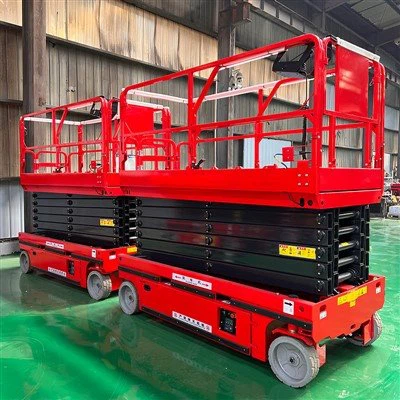
Understanding the Basics: Theoretical Training
The first step in boom lift operator training is theoretical instruction. This phase provides operators with a comprehensive understanding of the boom lift’s components, functions, and safety features. Theoretical training typically covers the following key areas:
Equipment Familiarization
Operators need to be well – versed in the different parts of a boom lift. This includes the base structure, boom arms (both telescopic and articulating), platform, controls, and safety devices such as outriggers and emergency stop buttons. They learn about the purpose of each component and how they work together to enable the boom lift to perform its functions.
For example, understanding how the telescopic boom extends and retracts is crucial. Operators must know the maximum extension limits and the impact of different boom lengths on the lift’s stability. Similarly, knowledge of the articulating boom’s range of motion helps in positioning the platform accurately at the desired work location.
Safety Regulations and Standards
Compliance with safety regulations is non – negotiable when operating a boom lift. Theoretical training covers local, national, and international safety standards. Operators learn about OSHA (Occupational Safety and Health Administration) regulations in the United States, which set strict guidelines for boom lift operation. These regulations cover aspects such as operator certification, pre – use inspections, load capacity, and work area safety.
In addition to OSHA, other international standards like ISO (International Organization for Standardization) also play a role. ISO standards ensure that boom lifts are designed, manufactured, and operated in a way that maximizes safety. Operators are taught to follow these standards to prevent accidents and ensure the well – being of themselves and others on the job site.
Pre – Use Inspections
Before operating a boom lift, a thorough pre – use inspection is essential. Theoretical training teaches operators what to look for during these inspections. They learn to check the hydraulic fluid levels, the condition of the tires or tracks, the integrity of the boom structure, and the functionality of the control systems.
For instance, a low hydraulic fluid level can cause the lift to malfunction, leading to dangerous situations. By learning to identify such issues during pre – use inspections, operators can prevent breakdowns and potential accidents. They are also trained to document the inspection results, which is important for record – keeping and compliance purposes.
Hands – on Training: Practical Skills
Once operators have a solid theoretical foundation, they move on to hands – on training. This is where they get to apply their knowledge in real – world scenarios. Practical training focuses on the following aspects:
Basic Operation
Operators learn how to start, stop, and control the boom lift. They practice moving the lift forward, backward, and turning it in different directions. They also learn how to raise and lower the boom, as well as extend and retract the telescopic or articulating boom arms.
During this training, instructors closely monitor the operators’ actions to ensure they are using the controls correctly. For example, improper use of the controls can cause the boom to move erratically, posing a risk to the operator and nearby workers. By practicing basic operation skills, operators gain confidence and proficiency in handling the boom lift.
Platform Positioning
Accurate platform positioning is crucial for many tasks. Operators learn how to position the platform at the right height and angle to reach the work area safely. They practice maneuvering the boom lift in different environments, such as narrow spaces or areas with obstacles.
For example, in a construction site where there are multiple structures and equipment, operators need to be able to position the platform precisely to perform tasks like window installation or electrical work. Hands – on training allows them to develop the skills needed to make these precise movements.
Load Handling
Boom lifts have a specific load capacity, and operators must understand how to handle loads safely. They learn about the weight distribution on the platform and how it affects the lift’s stability. Operators are trained to calculate the weight of tools, materials, and personnel on the platform to ensure they do not exceed the load limit.
In addition, they practice loading and unloading materials onto the platform in a way that maintains balance. For example, if heavy materials are placed unevenly on the platform, it can cause the boom lift to tip over. By learning proper load – handling techniques, operators can prevent such accidents.
Specialized Training for Different Environments
Depending on the work environment, operators may require specialized training. Here are some common scenarios:
Outdoor and Rough Terrain
When operating a boom lift outdoors on rough terrain, operators need additional training. They learn how to handle the lift on uneven surfaces, slopes, and soft ground. They are taught how to use the outriggers effectively to stabilize the lift on rough terrain.
For example, on a construction site with a sloped ground, operators must know how to adjust the outriggers to ensure the boom lift remains level. They also learn about the limitations of the boom lift in different weather conditions, such as high winds or rain.
Indoor and Confined Spaces
Indoor operation of boom lifts, such as in warehouses or factories, requires a different set of skills. Operators learn how to navigate the lift in narrow aisles and around obstacles. They are trained to be aware of the low – ceiling heights and to avoid hitting overhead structures.
In addition, indoor boom lifts may have different ventilation requirements, especially if they are powered by internal combustion engines. Operators learn about the importance of proper ventilation to prevent the buildup of harmful gases.
Refresher Training and Continuous Learning
Training for boom lift operators is not a one – time event. Refresher training is necessary to keep operators updated on the latest safety practices, equipment features, and regulations. It also helps in reinforcing the skills and knowledge they have acquired.
Continuous learning is also encouraged. As technology advances, new boom lift models are introduced with improved features and functions. Operators should stay informed about these developments to ensure they can operate the latest equipment safely and efficiently.
Conclusion

Operating a boom lift safely and effectively requires a combination of theoretical and practical training, as well as specialized training for different environments. At our company, we understand the importance of providing operators with the best training possible. We offer high – quality boom lifts that are designed to meet the highest safety standards.
Towable Scissor Lifts If you’re in the market for a boom lift or need more information about our products and the associated training requirements, we’d love to hear from you. Contact us to discuss your specific needs and let’s explore how our boom lifts can enhance your work efficiency while maintaining the highest levels of safety.
References
- Occupational Safety and Health Administration (OSHA). Standards for Powered Industrial Trucks. United States Department of Labor.
- International Organization for Standardization (ISO). ISO Standards for Lifting Equipment.
Shandong Zhongke Huali Machinery Co., Ltd.
As one of the most professional boom lift manufacturers and suppliers in China, we also support customized service. We warmly welcome you to wholesale discount boom lift in stock here from our factory. For price consultation, contact us.
Address: No. 2 Qubai Road, Qudi Street, Jiyang District, Jinan City, Shandong Province
E-mail: hlizhonggong@163.com
WebSite: https://www.hualiheavy.com/
