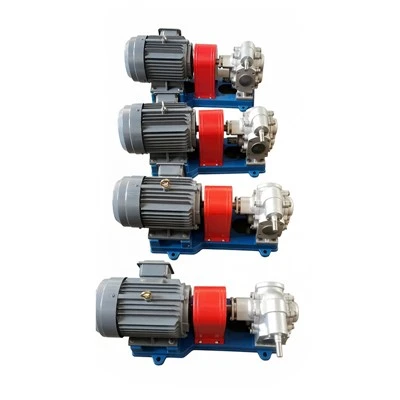
In the realm of fluid handling, the rotary lobe pump stands out as a versatile and efficient solution. As a supplier deeply entrenched in the industry, I’ve witnessed firsthand the remarkable capabilities of these pumps. One aspect that often piques the interest of potential customers is the self – priming capability of a rotary lobe pump. In this blog, I’ll delve into what self – priming means, how rotary lobe pumps achieve it, and why it’s a crucial feature for various applications. Rotary Lobe Pump
Understanding Self – Priming
Before we explore the self – priming ability of rotary lobe pumps, it’s essential to understand what self – priming means. A self – priming pump is one that can remove air from the suction line and pump casing to start the flow of liquid without the need for external priming devices or manual intervention. This is particularly useful in applications where the pump is located above the liquid source or when the suction line may become filled with air during operation.
How Rotary Lobe Pumps Achieve Self – Priming
Rotary lobe pumps are positive displacement pumps that use two or more lobes rotating in opposite directions to move fluid through the pump. The design of these pumps plays a significant role in their self – priming capability.
Lobe Design
The lobes in a rotary lobe pump are carefully engineered to create a tight seal within the pump casing. As the lobes rotate, they trap air in the suction chamber and transport it to the discharge side of the pump. This process continues until the air is completely removed from the suction line and the pump is filled with liquid. The shape and profile of the lobes are optimized to ensure efficient air handling and smooth fluid transfer.
Clearance and Tolerance
The clearance between the lobes and the pump casing is another critical factor in self – priming. A proper clearance allows for the efficient movement of air and liquid while preventing excessive leakage. Manufacturers of rotary lobe pumps carefully control these tolerances during the manufacturing process to ensure consistent self – priming performance.
Pump Configuration
The overall configuration of the rotary lobe pump, including the inlet and outlet ports, also affects its self – priming ability. A well – designed pump will have an inlet port that allows for easy entry of air and liquid, and an outlet port that efficiently discharges the air during the priming process.
Benefits of Self – Priming in Rotary Lobe Pumps
The self – priming capability of rotary lobe pumps offers several benefits, making them a preferred choice in many industries.
Ease of Installation
With self – priming pumps, installation is much simpler. There’s no need to install complex priming systems or worry about manually filling the pump with liquid before startup. This not only saves time but also reduces the overall installation cost.
Continuous Operation
In applications where the pump may be exposed to air during operation, such as in open – tank systems or when the liquid level fluctuates, the self – priming feature ensures continuous operation. The pump can automatically remove air from the system and resume normal operation without the need for operator intervention.
Versatility
Self – priming rotary lobe pumps can handle a wide range of fluids, including viscous, abrasive, and shear – sensitive liquids. This versatility makes them suitable for various industries, such as food and beverage, pharmaceuticals, chemical processing, and wastewater treatment.
Applications of Self – Priming Rotary Lobe Pumps
The self – priming feature of rotary lobe pumps makes them ideal for a variety of applications.
Food and Beverage Industry
In the food and beverage industry, self – priming rotary lobe pumps are used for transferring dairy products, fruit juices, syrups, and other viscous liquids. The gentle pumping action of the lobes ensures that the product’s integrity is maintained, while the self – priming ability allows for easy startup and efficient operation.
Pharmaceutical Industry
Pharmaceutical manufacturing requires precise and hygienic fluid handling. Self – priming rotary lobe pumps are well – suited for this industry as they can handle sensitive pharmaceutical ingredients without contamination. The ability to self – prime simplifies the cleaning and sanitization processes, ensuring compliance with strict industry regulations.
Chemical Processing
Chemical processing involves the handling of a wide range of corrosive and hazardous liquids. Self – priming rotary lobe pumps can handle these challenging fluids effectively. Their ability to handle air during startup and operation makes them suitable for applications where the pump may be exposed to vapor or gas.
Wastewater Treatment
In wastewater treatment plants, self – priming rotary lobe pumps are used for transferring sludge, sewage, and other wastewater. The self – priming feature allows the pump to start up even when the suction line is filled with air, ensuring continuous operation and efficient treatment processes.
Factors Affecting the Self – Priming Capability
While rotary lobe pumps are known for their self – priming ability, several factors can affect this capability.
Fluid Viscosity
The viscosity of the fluid being pumped plays a significant role in self – priming. Highly viscous fluids may require more time and energy to prime the pump compared to low – viscosity fluids. In some cases, additional measures such as pre – heating the fluid or using a larger pump may be necessary to achieve efficient self – priming.
Suction Lift
The suction lift, which is the vertical distance between the pump and the liquid source, also affects self – priming. As the suction lift increases, the pump has to work harder to remove air from the suction line. Most rotary lobe pumps have a maximum suction lift specification, and exceeding this limit can lead to poor self – priming performance.
Air Leakage
Any air leakage in the suction line or pump casing can significantly affect the self – priming process. Even a small leak can prevent the pump from creating a sufficient vacuum to remove air from the system. It’s crucial to ensure that all connections are properly sealed and that the pump casing is free from any damage or cracks.
Maintenance and Troubleshooting for Self – Priming
Proper maintenance is essential to ensure the continued self – priming capability of rotary lobe pumps.
Regular Inspection
Regularly inspect the pump for any signs of wear or damage, especially the lobes and the seals. Worn – out lobes or seals can lead to reduced self – priming performance and increased leakage. Replace any damaged parts promptly to maintain the pump’s efficiency.
Cleaning
Keep the pump and the suction line clean to prevent the accumulation of debris and contaminants. A clogged suction line can impede the flow of air and liquid, affecting the self – priming process. Use appropriate cleaning procedures and solutions recommended by the pump manufacturer.
Troubleshooting
If the pump is experiencing problems with self – priming, check for common issues such as air leakage, clogged suction lines, or worn – out parts. Refer to the pump’s manual for troubleshooting guidelines and, if necessary, contact a professional technician for assistance.
In conclusion, the self – priming capability of rotary lobe pumps is a valuable feature that offers numerous benefits in various industries. As a supplier, we understand the importance of this feature and strive to provide high – quality pumps that meet the specific needs of our customers. Whether you’re in the food and beverage, pharmaceutical, chemical, or wastewater treatment industry, a self – priming rotary lobe pump can be a reliable and efficient solution for your fluid handling requirements.
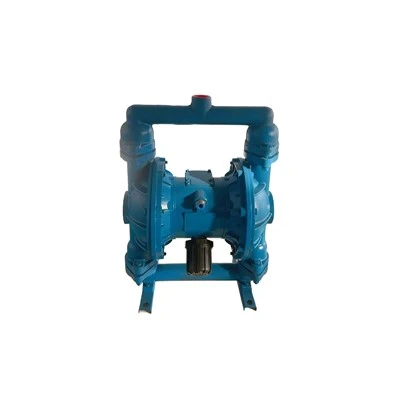
Diaphragm Pump If you’re interested in exploring our range of rotary lobe pumps or have any questions about their self – priming capabilities, we encourage you to reach out. Our team of experts is ready to assist you in finding the perfect pump for your application. Contact us to start a procurement discussion and discover how our products can enhance your operations.
References
- "Positive Displacement Pumps: Principles and Applications" by Norman Chigier
- "Handbook of Pump Technology" by Igor J. Karassik et al.
- Industry whitepapers on rotary lobe pumps from leading pump manufacturers.
Botou Hengyang Pump & Valve Co., Ltd.
With abundant experience, we are one of the most professional rotary lobe pump manufacturers and suppliers in China. Please feel free to buy high standard rotary lobe pump made in China here and get pricelist from our factory. All customized pumps are with high quality and competitive price.
Address: No. 159, Road 1, Development Zone, Botou City, Cangzhou, Hebei Province, China
E-mail: bthdbf@163.com
WebSite: https://www.hyoilp.com/
