Inner ball joints are crucial components in a vehicle’s suspension system, playing a vital role in ensuring smooth and safe driving. As a reliable inner ball joint supplier, I’ve seen firsthand the critical significance of these parts and the potentially serious consequences when they start to fail. In this post, I’ll discuss the safety risks associated with failing inner ball joints. Inner Ball Joint
The Function of Inner Ball Joints
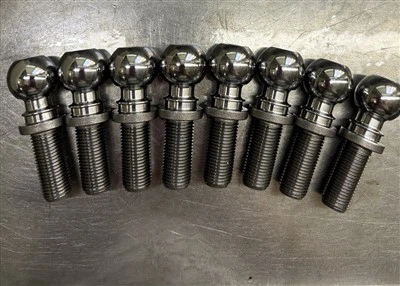
Before delving into the safety risks, it’s essential to understand what inner ball joints do. Inner ball joints serve as a pivot point between the steering knuckle and the control arm. They allow for flexible movement, enabling the wheels to turn smoothly while bearing the weight of the vehicle. This flexibility is crucial for maintaining proper wheel alignment and ensuring that the vehicle responds accurately to steering inputs.
Common Signs of a Failing Inner Ball Joint
- Clunking or knocking noises: One of the earliest signs of a failing inner ball joint is a clunking or knocking sound when going over bumps or making turns. This noise occurs because the worn ball joint has excessive play, allowing the components to move and impact each other.
- Steering instability: A failing inner ball joint can cause the steering to feel loose or inconsistent. You may notice that the steering wheel doesn’t return to the center position properly after a turn, or that there is an increased amount of play in the steering, making it difficult to maintain a straight course.
- Uneven tire wear: As the inner ball joint deteriorates, it can affect the wheel alignment. This misalignment causes uneven tire wear, which not only reduces the lifespan of the tires but also compromises the vehicle’s handling and safety. Tires may show wear on the inner or outer edges, indicating a problem with the inner ball joint.
- Vibration in the steering wheel: A worn – out inner ball joint can transmit vibrations to the steering wheel. These vibrations can range from a slight tremor to a more pronounced shaking, making the driving experience unpleasant and potentially indicating a safety issue.
Safety Risks of a Failing Inner Ball Joint
1. Loss of Steering Control
The most significant safety risk of a failing inner ball joint is the potential loss of steering control. When the ball joint fails completely or has excessive wear, it can cause the steering mechanism to malfunction. This means that the driver may not be able to turn the wheels as intended, especially in emergency situations. For example, when trying to avoid an obstacle on the road or make a sudden turn, a failed inner ball joint can prevent the wheels from responding correctly, leading to a collision.
2. Increased Stopping Distance
A failing inner ball joint can also affect the vehicle’s braking performance. When the wheel alignment is off due to a worn ball joint, the tires do not make even contact with the road surface. This uneven contact can cause the brakes to work less effectively, resulting in an increased stopping distance. In a situation where quick stopping is required, such as to avoid a rear – end collision, this increased stopping distance can be extremely dangerous.
3. Tire Blowouts
As mentioned earlier, a failing inner ball joint can lead to uneven tire wear. When tires are worn unevenly, the weaker areas of the tire are more prone to damage. This includes the risk of a tire blowout, which can occur suddenly while driving. A tire blowout can cause the vehicle to lose control, especially at high speeds, and can result in a serious accident.
4. Suspension Damage
A failing inner ball joint can put additional stress on other components of the suspension system. The excessive play in the ball joint can cause the control arm and other connected parts to move in an abnormal way, leading to premature wear and damage. If left unaddressed, this can result in more extensive and costly repairs to the suspension system. In some cases, the damaged suspension can also affect the vehicle’s handling and stability, increasing the risk of an accident.
Importance of Regular Inspections
Given the serious safety risks associated with failing inner ball joints, regular inspections are crucial. Vehicle owners should have their inner ball joints checked as part of their routine maintenance schedule, especially if they notice any of the signs mentioned above. Mechanics can use specialized tools to check the condition of the ball joint, including measuring the amount of play and inspecting for signs of wear.
Why Choose Our Inner Ball Joints
As an inner ball joint supplier, we take pride in offering high – quality products. Our inner ball joints are manufactured using the latest technology and the highest – grade materials. We adhere to strict quality control standards to ensure that each ball joint meets or exceeds industry specifications.
- Durability: Our inner ball joints are designed to withstand the rigors of daily driving and harsh road conditions. They are engineered to have a long service life, reducing the need for frequent replacements.
- Precision engineering: We use precision manufacturing techniques to ensure that our inner ball joints fit perfectly into the vehicle’s suspension system. This precise fit ensures smooth operation and optimal performance, contributing to the overall safety and handling of the vehicle.
- Comprehensive testing: Before our products reach the market, they undergo a series of rigorous tests. These tests include stress testing, wear testing, and performance testing to ensure that they can perform reliably in real – world conditions.
Conclusion

Failing inner ball joints pose significant safety risks to vehicle owners. From loss of steering control to increased stopping distances and tire blowouts, the consequences of a failed ball joint can be severe. As an inner ball joint supplier, we understand the importance of providing high – quality products to prevent these risks.
Outer Ball Joint If you’re in the market for reliable inner ball joints, we invite you to contact us for a procurement discussion. Our team of experts is ready to assist you in finding the right inner ball joints for your specific needs. We are committed to providing excellent customer service and ensuring that you get the best value for your investment.
References
- "Automotive Suspension Systems" – A comprehensive textbook on vehicle suspension components.
- "Motor Vehicle Maintenance and Repair" – A guidebook that covers the maintenance and repair of various automotive parts, including inner ball joints.
- Industry reports from automotive research institutions on the safety implications of failing suspension components.
Taizhou Huazhe Auto Parts Co., Ltd.
As one of the most professional inner ball joint manufacturers and suppliers in China, we’re featured by quality products and low price. Please rest assured to buy bulk high-grade inner ball joint in stock here from our factory. For pricelist, contact us now.
Address: No. 2828, Binkang Avenue, Sanjia Street, Taizhou Bay New Area, Taizhou City, Zhejiang Province
E-mail: 19906762800@163.com
WebSite: https://www.huazheindustry.com/
