Hey there! I’m a supplier of forming equipment, and today I wanna chat about the differences between continuous and batch-type forming equipment. As someone in the industry, I’ve seen firsthand how these two types of equipment can cater to different needs, so let’s dive right in. Forming Equipment

First off, let’s talk about batch-type forming equipment. Picture this: you’ve got a set amount of material, and you process it in individual batches. It’s like cooking a big pot of soup. You gather all the ingredients, throw them in the pot, let it simmer for a while, and then take out one batch of delicious soup. That’s pretty much how batch-type forming works.
One of the biggest perks of batch-type equipment is its flexibility. You can change the settings, the materials, or the shapes of the products between batches with relative ease. Say you’re making plastic parts. If you need to switch from making small, round buttons to large, rectangular casings, you can do that without too much hassle. You just adjust the molds, tweak the temperature settings, and you’re good to go. This makes batch-type equipment great for small-scale production runs or when you need to produce a variety of different products.
Another advantage is the quality control. Since each batch is processed separately, it’s easier to monitor and ensure the quality of the products. You can inspect each batch thoroughly before moving on to the next one. This is especially important in industries where precision and consistency are crucial, like aerospace or medical device manufacturing.
However, batch-type equipment also has its downsides. One major drawback is the time it takes. Each batch needs to go through a complete cycle of processing, from loading the materials to unloading the finished products. This means there are a lot of start-stop times, which can slow down the overall production rate. If you’re looking to produce a large quantity of the same product quickly, batch-type equipment might not be the best choice.
Now, let’s shift our focus to continuous forming equipment. This type of equipment is like an assembly line. The materials are fed into the machine continuously, and the products are formed and outputted in a steady stream. It’s like a conveyor belt in a factory, constantly moving and producing.
One of the main advantages of continuous forming equipment is its high production rate. Since there are no start-stop times between batches, the machine can operate at a consistent speed, churning out products much faster than batch-type equipment. If you need to produce a large volume of identical products, like pipes or sheets, continuous forming equipment is the way to go.
Another benefit is the efficiency. Continuous equipment often uses less energy and requires less labor compared to batch-type equipment. Once the machine is set up and running, it can operate with minimal supervision. This can significantly reduce the production costs in the long run.
But continuous forming equipment also has its limitations. One of the biggest challenges is the lack of flexibility. It’s designed to produce a specific type of product with consistent specifications. Changing the product design or switching to a different material can be difficult and time-consuming. You might need to stop the machine, reconfigure the settings, and make adjustments to the molds or dies. This can result in downtime and increased costs.
In addition, quality control can be more challenging with continuous forming equipment. Since the products are being produced continuously, it can be harder to detect and correct any quality issues in real-time. You need to have effective monitoring systems in place to ensure that the products meet the required standards.
So, when it comes to choosing between continuous and batch-type forming equipment, it really depends on your specific needs and production requirements. If you’re a small business or a workshop that needs to produce a variety of products in small quantities, batch-type equipment might be the better option. It gives you the flexibility to experiment and produce different designs without a huge investment.
On the other hand, if you’re a large manufacturer with a high demand for a single product, continuous forming equipment can help you meet the production volume and keep the costs down. It’s a more efficient choice for mass production.
I’ve seen many businesses make the wrong choice when it comes to forming equipment, and it can really impact their bottom line. That’s why it’s so important to understand the differences between these two types of equipment and evaluate your needs carefully.
At our company, we specialize in providing both continuous and batch-type forming equipment. We’ve been in the industry for years, and we’ve got the expertise to help you choose the right equipment for your business. Whether you’re just starting out or looking to upgrade your existing equipment, we can offer you customized solutions that fit your budget and production requirements.
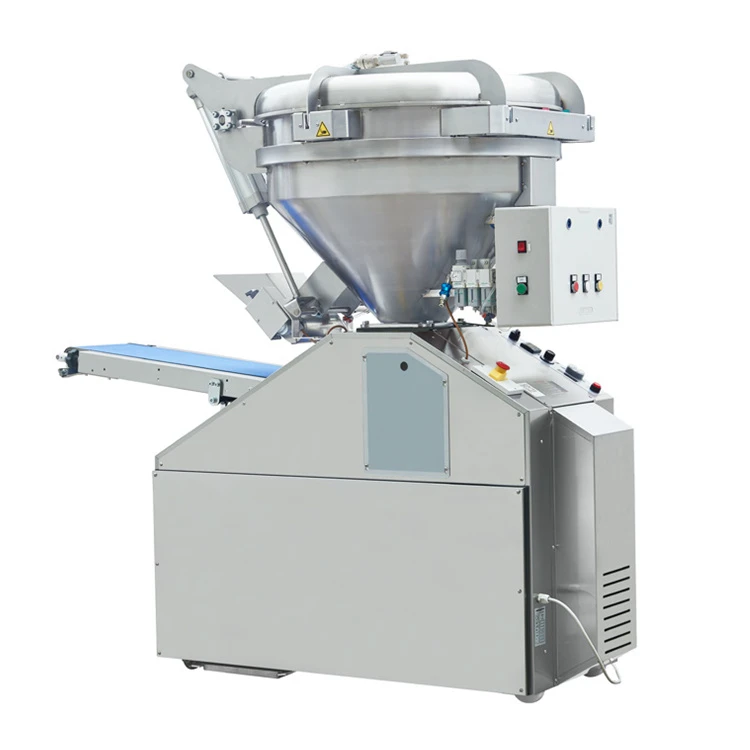
So, if you’re in the market for forming equipment, don’t hesitate to reach out. We’d love to have a chat with you, understand your needs, and show you how our equipment can make a difference in your production process. Whether it’s continuous or batch-type equipment, we’ve got you covered. Contact us today to start the conversation and take your production to the next level.
Freezer References
- Smith, J. (2020). Handbook of Forming Equipment. Industry Press.
- Brown, A. (2021). Comparison of Continuous and Batch Processes in Manufacturing. Journal of Manufacturing Technology.
Guangdong Pinchain Machinery Co., Ltd.
As one of the most professional forming equipment manufacturers and suppliers in China, we have world-leading production equipment and strong manufacturing capabilities. Please feel free to wholesale advanced forming equipment made in China here from our factory.
Address: Room 302, Building 9, CIMC High tech Intelligent Manufacturing Center, No.3 Chanxing 1st Road, Xianyong Village, Chencun Town, Shunde District, Foshan City, Guangdong Province
E-mail: kowa@bakingmachinery.com
WebSite: https://www.bakingsmachinery.com/
