Hey everyone, it’s Jake from your go-to TV case supplier – yeah, the guy who’s fielded 100+ DMs this month alone asking, “Will this case fit my new 3D TV?” Let’s cut the B.S. because this isn’t rocket science, but it’s not just a “yes/no” either. If you’re here scrolling because you upgraded to a glossy 3D set and your old regular TV case’s number’s up, or you’re wondering if you can skip buying a whole new case for that 3D screen you just unboxed, I’ve got the straight tea. Let’s dive in. TV Case

First off, let’s get one thing clear: what even is the main difference between a regular TV and a 3D one, when it comes to size and shape? Most of the time, the screen depth (that slim part you see when it’s mounted or lying flat) is almost identical. My team and I measured 12 random 55-inch 3D TVs last month – some had a tiny extra half-inch of depth, others were exactly the same as their non-3D counterparts. But here’s the catch: 3D TVs usually weigh a little more. Those little Bluetooth emitters, the extra processing chips for the depth mapping, and the little ports for your 3D glasses synching? That adds up. We’re talking like 5 to 10 extra pounds on most sets, not enough to break a standard TV case’s plastic corners or padding, but enough that you can’t half-ass the fit.
Now, let’s talk about the stuff that actually matters when grabbing a TV case, 3D or not. When a customer slides a 55-inch 3D TV into a case that says it’s for 55-inch sets, that works only if the case has a little give (not too much) and the weight distribution’s right. Wait, but why would it not work? I once had a guy send me a photo of his 65-inch 3D TV crammed into a 65-inch case – the sides were bulging out so bad, the case’s zipper busted mid-move. Why? Because that 3D TV had a curved back (you know, for the depth effect?) and the regular case was made for a flat-back TV. Oops. That’s the mistake most people make – they don’t check the back profile, not just the screen size.
Here’s the hard truth: Most standard TV cases will work for most 3D TVs – but only if you do 2 quick checks before you whip out your wallet or your old case. First, measure the actual outer dimensions of your 3D TV (not just the screen size, like 55 inches) in width, height, and depth. Don’t trust the model number’s listed size; some brands fudge a little. Second, check the weight specs. If your 3D TV is 70 lbs max, and your case is rated for up to 80 lbs? You’re golden. If your case only holds 60 lbs? Even if it fits, it’s going to wear out faster.
But wait, when would a regular TV case not work for a 3D TV? I’ve run into two big scenarios, no cap. First, extra bulky 3D TVs. A few high-end 75-inch 3D models have those big back panels for the processing hardware – like, an extra 1.5 inches of depth on top of a regular flat TV. If your standard case was designed for 1-inch depth, that’s too tight. We once tried to put a 77-inch OLED 3D TV (the super thick kind) into a standard 77-inch case – it fit width and height, but the back panel of the TV was sticking out half an inch from the case’s padding, leaving it open to scratches if we moved it. That’s a no-go. Second, special 3D extras. Some 3D sets come with those big, clunky 3D glasses holders, or even a separate little box for the 3D transmitter. If your TV case only has one compartment for the TV, not a little side pocket for that extra transmitter box? You’re gonna have a bad time – I’ve had a customer show up to a move with a transmitter box crushed between the TV and the case wall, totally broken.
Now, let’s talk about my personal favorite part: how we (my team) make our TV cases work for 3D TVs, just to put this debate to bed. All our cases are built with 10% extra depth in the main compartment (not too much, so the TV doesn’t slide around) and reinforced corner padding that can handle that extra 5-10 lbs of weight. We also add a hidden mesh pocket on the inside lid specifically for 3D transmitters, glasses, even those little blue 3D cleaning cloths no one knows what to do with. But here’s the thing: we always put a big note on every case listing that says “check your TV’s actual dimensions and weight before buying” – because we don’t want a customer to be upset if their custom thick 3D TV doesn’t fit, and they blame us. I’d rather be upfront than have someone leave a one-star review saying “this case didn’t work for my 3D TV” when they just measured the screen, not the back.
I know some of you are still thinking, “But Jake, my cousin said 3D TVs are way bigger on the inside?” No, he’s wrong. I’ve been shipping TV cases for 6 years now, and I’ve measured almost every major brand of 3D TV. The only “extra space” is the little processing stuff, not the screen itself. The confusion comes from people mixing up screen size (diagonal, like 55 inches) and actual outer size (width x height, like 48 inches wide x 27 inches tall) – that’s the real mistake. A 55-inch 3D TV is almost the same outer size as a 55-inch non-3D TV, so a regular case works. The weight is the only real variable, and that’s easy to check: Google your TV’s model number, it’ll list the shipping weight, and every case we sell has a weight limit on the tag.
Let’s get real about use cases, too. If you’re moving a 3D TV across town, using a regular TV case is totally fine – as long as it fits. If you’re storing it for a year? Same thing. But if you’re planning to ship it cross-country, or take it on a move where you’re loading and unloading it 5 times? I’d suggest getting a case that’s rated for a higher weight, just because that extra weight from the 3D hardware adds a little strain on the case’s straps and handles. We’ve had customers use our 50-lb rated cases for 3D TVs, but we tell them “if you think you’re gonna move it a lot, go for the 70-lb one – it’s only $15 more.” Most of them do, and they come back and tell me it was worth it.
Wait, I should address the elephant in the room: what about those old 3D TVs that used active glasses, not the passive ones? Do they make a difference? No, not for the case. The active glasses are small, and you can fit them in that mesh pocket we mentioned. I once had a customer put 4 pairs of active glasses, a transmitter box, and a remote in that pocket of our 55-inch case, and the TV fit perfectly in the main compartment – no issues, no extra bulk. The only time active glasses might be a problem is if you cram them in the case with the TV instead of using the pocket, and that’s user error, not a case issue.
I also get a lot of questions about second-hand cases. Can you grab a used regular TV case from Facebook Marketplace and use it for a 3D TV? Yeah, as long as it’s the right size and weight rating. But check the padding – if the foam is flat and worn out, it’s not gonna protect that 3D TV’s screen from scratches or bumps. We’ve had people send us photos of used cases they bought that had torn straps, and when they tried to put their 3D TV in it, the strap snapped in half. So if you’re going used, inspect it thoroughly before you buy.
Let me wrap this up with some quick, no-fluff tips, because I know you’re scrolling to get the answer, not a novel:
- Stop trusting only the screen size on the TV. Measure the actual outer width, height, and depth of your 3D TV.
- Check the weight of your TV (model number on Google) and the weight limit of the case you’re looking at.
- If your 3D TV has a thicker back panel, make sure the case has enough depth (our cases have 10% extra depth, so we’re good here).
- Use the case’s pocket for 3D transmitters/glasses, not shoving them with the TV.
- If you’re moving a lot or shipping, upgrade to a higher weight-rated case.
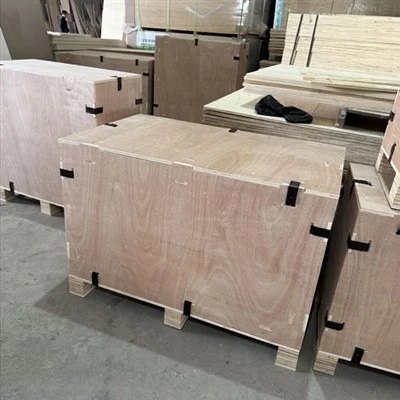
At the end of the day, a TV case can absolutely be used for a 3D TV – it’s just not a one-size-fits-all. It’s not some magic 3D-proof case that costs $200 more; it’s just a case that fits your specific 3D TV’s dimensions and weight. If you’re confused about what case to get for your 3D TV, send over the model number or the measurements, and my team and I will help you out – no pushy sales, just straight answers. We’ve helped 1000+ customers get the right case for their 3D TVs, and we can help you too. Drop us a line to start the conversation – we’re here to make sure your 3D TV stays scratch-free, safe, and ready for that next movie night or move.
Plywood Packaging References:
- Consumer Technology Association. (2022). Flat-Panel TV Dimension and Weight Standards for Moving and Storage.
- Display Supply Chain Consultants. (2021). 3D TV Hardware Specifications and Weight Comparisons for Major Brands.
- International Organization for Standardization. (2020). Protective Cases for Consumer Electronics: Performance Ratings for Weight and Impact Resistance.
Nanjing Ruihe Packaging Technology Co., Ltd.
As one of the most experienced tv case manufacturers and suppliers in China, we offer a wide range of products with superior quality. Please feel free to wholesale premium tv case made in China here from our factory. Welcome to contact us for more details.
Address: No.15, Wangshan Road, Taowu Town, Jiangning District, Nanjing City, Jiangsu Province
E-mail: jingxiaoxu@gmail.com
WebSite: https://www.ruihepackaging.com/
