In the manufacturing realm, copper turning stands as a pivotal process across various industries, spanning from electronics and automotive to plumbing and architecture. As a copper turning supplier entrenched in this domain, I’ve witnessed firsthand the economic significance and engineering allure of copper. Yet, with the escalating emphasis on sustainable manufacturing and resource conservation, minimizing waste in the copper turning process has become not just a moral obligation but a strategic business imperative. In the following discourse, I’ll share insights and strategies based on my experience to help reduce waste in copper turning. Copper Turning
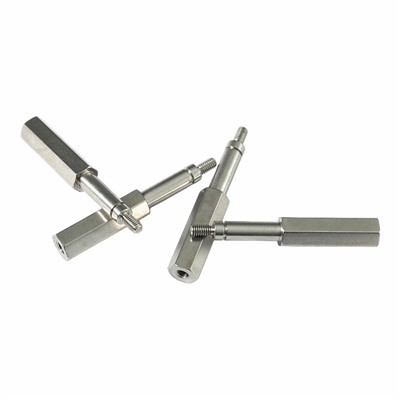
Understanding the Sources of Waste in Copper Turning
Before delving into waste – reduction strategies, it’s crucial to understand the primary sources of waste in copper turning.
Machining Chips
During the copper turning process, a substantial amount of waste is generated in the form of machining chips. These chips are a by – product of the cutting tool removing material from the copper workpiece. The size, shape, and quality of these chips can vary significantly depending on factors such as the cutting speed, feed rate, and the type of cutting tool used.
Scrap Pieces
In addition to machining chips, scrap pieces are another common source of waste. These can occur due to incorrect programming of the turning machine, tool breakage, or errors in material handling. When a part is over – machined or damaged during the turning process, it often results in a scrap piece that cannot be used for its intended purpose.
Defective Products
Quality control is an integral part of the copper turning process. However, defective products still make their way through the system from time to time. This could be due to factors such as improper tool calibration, poor material quality, or deviations in the manufacturing environment (e.g., temperature and humidity fluctuations).
Strategies for Reducing Waste in Copper Turning
Optimizing Machining Parameters
One of the most effective ways to reduce waste in copper turning is by optimizing machining parameters. By carefully selecting the cutting speed, feed rate, and depth of cut, we can minimize the generation of machining chips and ensure that the copper material is removed in the most efficient way possible.
For example, a higher cutting speed might reduce the time required for turning, but it could also generate more heat and result in larger, less – utilizable chips. On the other hand, a lower feed rate might lead to a smoother surface finish, but it could increase the production time and potentially generate more scrap due to extended exposure to the cutting tool. Through extensive experimentation and data analysis, we can strike the right balance between these parameters to achieve optimal waste reduction.
We can also make use of advanced software tools that simulate the copper turning process and predict the outcome based on different input parameters. These simulations allow us to fine – tune the machining process before actual production, thereby minimizing the likelihood of errors and waste.
Implementing a Quality Management System
A robust quality management system is essential for reducing waste caused by defective products. By establishing strict quality control measures at every stage of the copper turning process, we can identify and correct issues early on, preventing the production of large quantities of scrap.
This includes regular calibration of turning machines and cutting tools to ensure accurate and consistent performance. Additionally, we can conduct in – process inspections using advanced measurement tools such as coordinate measuring machines (CMMs) to detect any deviations from the design specifications in real – time.
Training our employees on quality control procedures is also crucial. When every team member understands the importance of quality and is equipped with the skills to identify potential problems, they can take immediate action to correct them, reducing the overall waste in the production process.
Recycling and Reusing Copper Scrap
Recycling is an indispensable part of waste reduction in copper turning. Copper is a highly recyclable material, and recycling scrap copper not only reduces waste but also conserves natural resources and energy.
We’ve established a comprehensive recycling program at our facility. All the machining chips and scrap pieces are collected and sorted based on their purity and composition. These materials are then sent to specialized recycling facilities where they are melted down and refined to produce new copper products.
In some cases, we also explore opportunities for reusing the scrap internally. For example, we might use smaller scrap pieces as test materials for new machining techniques or as filler material in other manufacturing processes. This not only reduces our waste volume but also has the potential to lower our production costs.
Inventory Management
Effective inventory management can significantly contribute to waste reduction in copper turning. By maintaining accurate inventory records and forecasting demand more precisely, we can avoid over – purchasing of copper raw materials.
Over – stockpiling of copper can lead to excess material sitting in storage for extended periods, increasing the risk of corrosion and obsolescence. On the other hand, under – stocking can cause production delays and the need for rush orders, which are often associated with higher costs and potentially more waste.
To address this, we use inventory management software that tracks the movement of raw materials in real – time and provides insights into historical demand patterns. This allows us to make informed decisions about how much copper to order and when to replenish our inventory, minimizing waste due to material over – or under – supply.
Employee Training and Engagement
The success of any waste – reduction initiative hinges on the active participation and commitment of our employees. Therefore, we’ve implemented comprehensive training programs to educate our team about the importance of waste reduction and the strategies we’re employing.
These training sessions cover topics such as proper machine operation, quality control, and the recycling process. We also encourage our employees to contribute their own ideas for waste reduction through suggestion programs and regular team meetings.
When employees feel that their voices are heard and that they are part of a larger sustainability effort, they are more likely to take ownership of the waste – reduction goals and implement best practices in their daily work.
Supplier and Customer Collaboration
Collaboration with our suppliers and customers also plays a vital role in waste reduction. We work closely with our copper suppliers to ensure that the raw materials we receive are of the highest quality and are in the most suitable form for our turning process. By having open communication with our suppliers, we can sometimes negotiate for more precise material dimensions, reducing the amount of material that needs to be removed during turning.
On the customer side, we engage in early – stage discussions to understand their requirements better. This helps us to optimize the design of the copper parts we produce, minimizing waste from the very beginning of the manufacturing process.
Conclusion
Reducing waste in copper turning is a multifaceted challenge that requires a holistic approach. By optimizing machining parameters, implementing a quality management system, recycling and reusing copper scrap, improving inventory management, engaging employees, and collaborating with suppliers and customers, we can make significant strides in waste reduction.
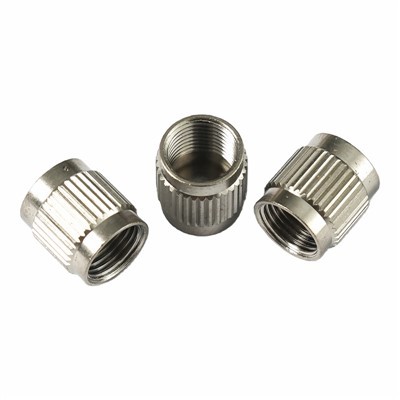
Not only does waste reduction contribute to a more sustainable manufacturing process, but it also has tangible economic benefits. It helps us to cut down on production costs, improve efficiency, and enhance our reputation as a responsible and forward – thinking copper turning supplier.
Carbon Steel Turned Parts If you’re in need of high – quality copper turning services, or if you’d like to discuss how we can further optimize waste reduction in our partnership, I invite you to reach out to us. We look forward to the opportunity to engage in fruitful procurement discussions and work with you to meet your copper turning needs.
References
- Smith, J., & Johnson, A. (2020). Advanced Manufacturing Techniques for Copper Components. New York: Industrial Press.
- Green, R. (2019). Sustainable Practices in Metal Machining. London: Environmental Publishing Group.
- Brown, C. (2018). Quality Control in Precision Machining. Chicago: Manufacturing Excellence Press.
Huizhou Quanyi Precision Hardware Products Co., Ltd.
We’re well-known as one of the leading copper turning manufacturers and suppliers in China, featured by quality products and good service. Please rest assured to buy customized copper turning made in China here from our factory. Contact us for more details.
Address: Building A10, 7th Floor, Zhongchuangyingke 5G Industrial Park, Zhonghan Industrial Park, Tonghu Town, Huizhou City
E-mail: info@qycncturning.com
WebSite: https://www.qycncturning.com/
