As a supplier of stainless electrical enclosures, I often encounter inquiries regarding the appropriate temperature range for these enclosures. Understanding this crucial aspect is essential for ensuring the optimal performance, safety, and longevity of the electrical components housed within. In this blog post, I will delve into the factors influencing the temperature range, the ideal conditions, and the implications of operating outside these parameters. Stainless Electrical Enclosure
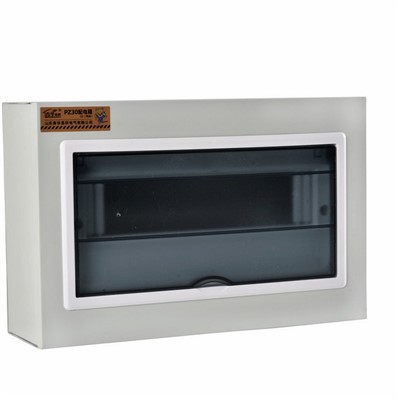
Factors Affecting the Temperature Range
The temperature range for a stainless electrical enclosure is influenced by a multitude of factors, both internal and external. These factors must be carefully considered to determine the most suitable enclosure for a specific application.
Internal Heat Generation
Electrical components generate heat during operation. The amount of heat produced depends on the type, size, and power consumption of the components. For example, high-power transformers, motors, and power supplies generate more heat than low-power sensors and switches. The heat generated by these components must be dissipated effectively to prevent overheating and damage.
External Environmental Conditions
The external environment plays a significant role in determining the temperature of the enclosure. Factors such as ambient temperature, humidity, solar radiation, and airflow can all affect the enclosure’s temperature. In hot climates, the ambient temperature can be high, which can increase the temperature inside the enclosure. Similarly, in areas with high humidity, the moisture can condense inside the enclosure, leading to corrosion and electrical problems.
Enclosure Design and Material
The design and material of the enclosure can also impact its temperature range. Stainless steel is a popular choice for electrical enclosures due to its corrosion resistance, durability, and strength. However, the thermal conductivity of stainless steel is relatively low, which means that it can trap heat inside the enclosure. To mitigate this issue, enclosures can be designed with ventilation holes, heat sinks, or fans to improve airflow and dissipate heat.
Ideal Temperature Range
The ideal temperature range for a stainless electrical enclosure depends on the type of electrical components housed inside. In general, most electrical components operate optimally within a temperature range of -20°C to 60°C (-4°F to 140°F). However, some components, such as high-temperature sensors and power electronics, can operate at higher temperatures, while others, such as sensitive electronic circuits, may require a more precise temperature control.
It is important to note that the temperature inside the enclosure can be higher than the ambient temperature due to internal heat generation. Therefore, it is essential to ensure that the enclosure is designed to dissipate heat effectively to maintain the temperature within the acceptable range.
Implications of Operating Outside the Temperature Range
Operating a stainless electrical enclosure outside the recommended temperature range can have several negative consequences, including:
Reduced Component Lifespan
Exposure to high temperatures can accelerate the aging process of electrical components, leading to reduced lifespan and increased failure rates. For example, high temperatures can cause the insulation on wires to degrade, leading to short circuits and electrical fires.
Decreased Performance
Electrical components may not operate optimally outside the recommended temperature range. For example, the performance of electronic circuits can be affected by changes in temperature, leading to inaccurate readings or malfunctions.
Safety Risks
Operating an enclosure at high temperatures can pose a safety risk to personnel and equipment. For example, high temperatures can cause the enclosure to become hot to the touch, increasing the risk of burns. Additionally, overheating can cause electrical components to fail, leading to electrical fires or other safety hazards.
Maintaining the Temperature Range
To maintain the temperature range within a stainless electrical enclosure, several measures can be taken, including:
Ventilation
Proper ventilation is essential for dissipating heat from the enclosure. Enclosures can be designed with ventilation holes, louvers, or fans to improve airflow and prevent heat buildup.
Heat Sinks
Heat sinks are used to transfer heat from electrical components to the surrounding environment. They are typically made of materials with high thermal conductivity, such as aluminum or copper.
Cooling Systems
In some cases, additional cooling systems may be required to maintain the temperature within the acceptable range. These systems can include air conditioners, chillers, or heat exchangers.
Temperature Monitoring
Monitoring the temperature inside the enclosure is essential for ensuring that it remains within the recommended range. Temperature sensors can be installed inside the enclosure to provide real-time temperature readings.
Conclusion
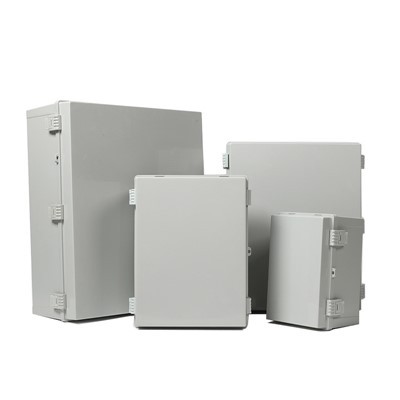
In conclusion, understanding the temperature range for a stainless electrical enclosure is crucial for ensuring the optimal performance, safety, and longevity of the electrical components housed within. The ideal temperature range depends on the type of components and the operating environment. Operating outside the recommended temperature range can have negative consequences, including reduced component lifespan, decreased performance, and safety risks. To maintain the temperature range, proper ventilation, heat dissipation, and temperature monitoring are essential.
Portable Industrial Socket Box As a supplier of stainless electrical enclosures, I am committed to providing high-quality products that meet the specific needs of my customers. If you have any questions or require further information about the temperature range for stainless electrical enclosures, please do not hesitate to contact me. I would be happy to discuss your requirements and provide you with the best solutions.
References
- "Electrical Enclosures: A Guide to Selection and Use" by the National Electrical Manufacturers Association (NEMA)
- "Thermal Management in Electrical Enclosures" by the Institute of Electrical and Electronics Engineers (IEEE)
- "Stainless Steel for Electrical Enclosures" by the American Iron and Steel Institute (AISI)
Shandong Qinghua Yike Electric Co., Ltd.
As one of the most experienced stainless electrical enclosure manufacturers in China, we also support customized service. We warmly welcome you to buy durable stainless electrical enclosure for sale here from our factory. If you have any enquiry about cooperation, please feel free to email us.
Address: No. 378 Taozhuang Village, Zaoyuan Town, Lanshan District, Linyi City, Shandong Province
E-mail: admin@sd-qhyk.com
WebSite: https://www.qhecobox.com/
