When dealing with cabinet sensor switches, one question that often arises is: What is the weight of a cabinet sensor switch? The weight of a cabinet sensor switch might seem like a trivial detail at first glance, but it can have significant implications for various aspects, from installation requirements to the overall durability and performance of your cabinet. As a trusted cabinet sensor switch supplier, I’m here to shed light on this topic and explain why weight matters. Cabinet Sensor Switch
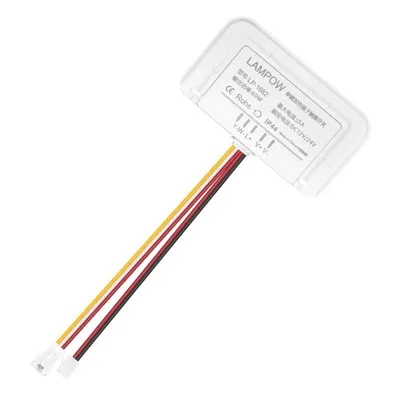
What Influences the Weight of Cabinet Sensor Switches?
Several factors contribute to the weight of a cabinet sensor switch. These include the materials used in its construction, the complexity of its design, and any additional features it might possess.
Material Selection
The choice of materials is perhaps the most significant factor influencing the weight of a cabinet sensor switch. Generally, sensor switches are made from a combination of plastics, metals, and electronic components.
Plastics are commonly used in the outer casing of sensor switches because they are lightweight, cost – effective, and can be easily molded into various shapes. However, the type of plastic matters. For example, polycarbonate is a relatively strong plastic that is also lightweight, making it a popular choice for switch enclosures. On the other hand, some heavier plastics, like high – density polyethylene, might be used in applications where more durability is required, which will increase the overall weight of the switch.
Metals are also incorporated in sensor switches, especially for parts that need to be conductive or provide structural support. Copper is a common metal used for electrical contacts due to its excellent conductivity. It is relatively lightweight compared to some other metals. Aluminum is another popular choice, especially for the outer frames of some high – end sensor switches. It is lightweight and corrosion – resistant. Heavier metals such as steel are sometimes used in the internal components of more robust sensor switches, especially those designed for industrial cabinets where they need to withstand harsh conditions.
Design Complexity
The design complexity of a cabinet sensor switch can also affect its weight. Simple sensor switches with basic functions, such as on – off detection based on motion, are usually lighter. These switches have fewer components and a more straightforward mechanical design.
In contrast, multi – function sensor switches are often heavier. For example, a sensor switch that not only detects motion but also has light – sensing capabilities, temperature monitoring, or the ability to connect to a smart home system will have more electronic components. These additional components, such as microprocessors, sensors for different functions, and communication modules, add to the overall weight of the switch.
Furthermore, switches with complex internal wiring and circuitry will also be heavier. This is because the wiring itself adds weight, and the need for more insulation and protective layers around the wires further contributes to the overall mass of the switch.
Additional Features
Extra features can significantly increase the weight of a cabinet sensor switch. A switch with built – in LED lights for illumination, for instance, will be heavier due to the addition of the light source and the necessary power – management components.
Some sensor switches come with waterproof or dust – proof features. To achieve this, they are often encased in more robust materials or have additional gaskets and seals. These protective layers add weight but are essential for ensuring the switch’s functionality in challenging environments, such as in kitchen cabinets where there might be moisture or in industrial settings with a lot of dust.
Why Does the Weight of a Cabinet Sensor Switch Matter?
The weight of a cabinet sensor switch is not just a random characteristic; it has practical implications for both the installation process and the long – term performance of the switch.
Installation Considerations
The weight of the sensor switch can affect how it is installed in a cabinet. Lighter switches are generally easier to install. They can be mounted using simple adhesive strips or small screws without putting too much stress on the cabinet’s surface. This is especially important for cabinets made of lightweight materials like particleboard or MDF, where excessive weight could cause the mounting points to fail over time.
On the other hand, heavier switches might require more robust installation methods. If a switch is too heavy and is not properly installed, it could become loose or even fall off the cabinet. For heavy switches, using wall plugs or more substantial mounting brackets might be necessary, increasing the complexity and time of the installation process.
Impact on Cabinet Structure
The weight of the sensor switch can also impact the overall structure and balance of the cabinet. In cabinets with multiple sensor switches, the cumulative weight of these devices can add up. This is particularly relevant for wall – mounted cabinets, where the additional weight could put extra strain on the wall mounting hardware. If the cabinet is not designed to support the extra weight, it could lead to the cabinet pulling away from the wall or even causing damage to the wall itself.
In addition, the distribution of the weight of the sensor switches within the cabinet is important. An uneven distribution of weight can cause the cabinet to become unbalanced, which might affect its operation. For example, if a heavy switch is placed on one side of the cabinet door, it could make the door difficult to open and close smoothly.
Long – Term Performance
The weight of the sensor switch can also be an indicator of its quality and durability. Generally, heavier switches tend to be more robust and have better – built components. A switch with a heavier metal frame and high – quality internal components is likely to withstand more wear and tear over time.
However, it’s important to note that this is not always the case. A well – designed lightweight switch can also provide excellent performance if it uses high – quality materials and advanced manufacturing techniques. The key is to find a balance between the weight and the other performance characteristics of the switch.
Typical Weight Ranges for Cabinet Sensor Switches
The weight of cabinet sensor switches can vary widely depending on the factors mentioned above.
For basic, single – function sensor switches with a plastic casing and simple circuitry, the weight can range from as low as 10 to 20 grams. These switches are often used in small, domestic cabinets where the aesthetic and functional requirements are relatively simple.
Mid – range sensor switches with additional features such as basic lighting or enhanced sensitivity usually weigh between 20 and 50 grams. These switches are suitable for a wide range of applications, including home kitchens and small offices.
High – end multi – function sensor switches with advanced features like wireless connectivity, multiple sensors, and robust construction can weigh anywhere from 50 grams to over 100 grams. These switches are often used in commercial settings or high – end residential projects where reliability and advanced functionality are crucial.
Choosing the Right Weight for Your Cabinet Sensor Switch
When selecting a cabinet sensor switch, the weight should not be the only factor to consider. However, it is an important aspect that needs to be balanced with your specific requirements.
If you are working with lightweight cabinets or have a restriction on the overall weight that the cabinet can bear, a lighter switch might be the better choice. These switches are easier to install and are less likely to cause any structural issues.
On the other hand, if you need a switch that can withstand harsh conditions, provides multiple functions, or is part of a high – end installation, a heavier switch could be more suitable. But make sure that the cabinet is designed to handle the additional weight.
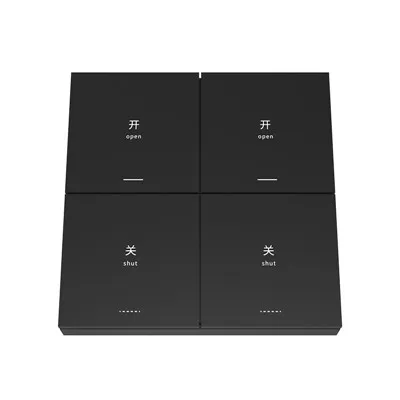
As a reliable cabinet sensor switch supplier, we offer a wide range of switches with different weights and features to meet your diverse needs. Whether you are a homeowner looking to upgrade your kitchen cabinets or a commercial contractor working on a large – scale project, we have the right solution for you.
Waterproof LED Driver If you’re interested in learning more about our cabinet sensor switches and how their weight factors into your specific application, don’t hesitate to reach out. Our team of experts is ready to assist you in making an informed decision. Contact us today to start the procurement process and let us provide you with the best cabinet sensor switches for your project.
References
- Smith, J. (2022). "Materials and Design in Electrical Switch Manufacturing." Electrical Engineering Journal.
- Brown, R. (2021). "Impact of Extra Features on the Performance of Cabinet Sensor Switches." Smart Home Technology Review.
- Johnson, M. (2020). "Installation Guidelines for Electrical Devices in Cabinets." Cabinet Design and Installation Magazine.
Dongguan Lanbaoli Intelligent Technology Co., Ltd.
As one of the most professional cabinet sensor switch manufacturers and suppliers in China, we’re featured by quality products and low price. Welcome to buy advanced cabinet sensor switch for sale here from our factory. If you have any enquiry about quotation, please feel free to email us.
Address: 10th Floor, Building 32, Golden Town, No. 7 Technology Avenue, Houjie Town, Dongguan City, Guangdong Province
E-mail: anna@lampow.cn
WebSite: https://www.lblsensor.com/
