If you’ve ever browsed through lumber yards or shopped for materials for a DIY project, you’ve probably stumbled on poplar wood boards—especially if you’re a builder, furniture maker, or hobbyist on a budget. As someone who’s supplied poplar boards for over a decade, I get asked one question more than any other: “Is poplar wood board easy to work with?” It’s a fair question, too—because the last thing you want is to invest time, money, and effort into a project only to have your material work against you. Let’s break this down from both a supplier’s perspective and the hands-on reality of working with poplar, no fancy industry jargon, just straight talk from someone who’s loaded and shipped thousands of boards. Poplar Wood Board
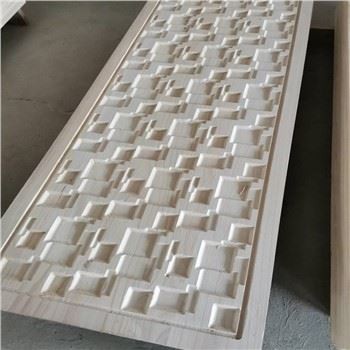
First, let’s talk about the core qualities that make a wood “easy to work with,” because that term means different things to different people. For a hobbyist building a birdhouse, easy might mean it doesn’t split when you drive a nail. For a furniture maker crafting a custom dining table, easy might mean it takes a smooth, even finish without a lot of sanding. For a contractor framing a small shed, easy might mean it cuts quickly with basic tools. By those standards, poplar checks almost every box.
Let’s start with cutting and shaping, because that’s the first step in any project. Poplar is a hardwood, yes—but it’s one of the softest hardwoods around, with a Janka hardness rating of only 540 lbf (for context, white oak is 1,360 lbf, pine is 380 lbf). That lower density is a game-changer. When you run a circular saw, table saw, or even a basic handsaw through poplar, it cuts cleanly, with almost no tear-out. I’ve seen first-time woodworkers pick up a $20 handsaw and cut straight, smooth edges on poplar boards in minutes, something that would take twice as long and leave ragged edges on denser hardwoods. The only caveat here is that poplar is a bit more prone to splintering on the end grain if you’re using a saw blade with too few teeth, but that’s a quick fix—swap for a blade with 60+ teeth, and you’ll get crisp, splinter-free cuts every time. We make sure to note that to every customer when we ship their boards, because a little blade swap goes a long way.
Next up: joinery, which is where a lot of wood types trip up new builders. Drilling holes, driving screws, cutting mortise and tenon joints—poplar handles all of these without a lot of common headaches. Unlike some brittle hardwoods that crack when you drive a screw too close to the edge, poplar’s flexible, fibrous structure absorbs pressure evenly. I’ve had customers tell me they’ve driven 3-inch screws ¼ inch from the edge of a 1-inch thick poplar board without a single split, something they couldn’t do with maple or oak. Mortise and tenon cuts? Because poplar is less dense, the edges of the joint don’t chip out like they do with harder woods, so you get tight, secure fits without hours of extra sanding to smooth rough spots. Even for more intricate joinery, like dovetails for a small box, poplar’s uniform grain (more on that in a second) makes it easy to get precise cuts without the grain shifting mid-cut.
Speaking of grain: poplar has a straight, uniform grain pattern, which is another big reason it’s so easy to work with. Unlike walnut, which has swirling, irregular grain that can cause a saw to “grab” or veer off course, poplar’s grain runs consistently along the length of the board. That means when you’re planning a cut or shaping a piece, you don’t have to adjust as you go—your cuts stay on track, even if you’re using less experienced tools. The only variation is that some boards have small, dark knots, but those are usually soft and easy to drill through or cut around, and they actually add a nice rustic touch to projects like shelves or picture frames. We sort our boards by knot size and grain consistency before shipping, so you can pick a board with minimal knots for a polished project or a board with a few knots for a rustic look—either way, working with the grain is straightforward.
Now, let’s address the downsides, because no wood is perfect, and as a supplier, I’d never sugarcoat that. The biggest complaint I hear about poplar is its tendency to warp if it’s not properly dried and stored. Poplar is a fast-growing wood, which means it has a higher moisture content when it’s first harvested. If a board isn’t kiln-dried correctly, it can twist, cup, or bow after you’ve cut it, which is a nightmare for projects that need to stay flat—like tabletops or cabinet doors. That’s why we invest in industrial kiln drying processes that bring our boards down to a consistent 6-8% moisture content, which is ideal for indoor projects. We also stack our boards in temperature-controlled warehouses to prevent them from absorbing excess moisture from the air once they’re ready to ship. We tell every new customer: test your board’s moisture level before you start—use a cheap moisture meter, and if it’s above 10%, let it acclimate to your workspace for 3-5 days first. That small step eliminates almost all warping issues, and it’s a lot easier than fixing a warped tabletop after you’ve spent hours building it.
Another minor downside: poplar doesn’t stain as evenly as some other hardwoods. Because it’s softer and has a looser fiber structure, stain can sometimes blotch, leaving darker and lighter spots across the board. That’s not a dealbreaker, though—it just means you need to prep the board properly first. Sand it smooth with 120-grit sandpaper, then wipe it down with a pre-stain conditioner before applying your stain. That conditioner seals the wood’s pores and helps the stain go on evenly, resulting in a consistent, beautiful finish. A lot of new woodworkers don’t know that trick, so we include a small printed guide with every order that walks through that step—it’s saved so many customers from frustration. If you’re going for a natural finish or a paint finish, though, poplar is actually perfect—paint goes on smooth and covers any minor variations, so you don’t have to worry about stain prep at all. That’s why poplar is such a popular choice for built-in bookshelves, cabinetry, and kids’ furniture that gets painted.
Now, let’s talk about who poplar is best for, because that’s where most of the confusion lies. If you’re a hobbyist, a small contractor, or someone building something for indoor use on a budget, poplar is about as easy to work with as wood gets. We have customers who build custom toys, garden boxes, home decor, and even small furniture out of our poplar boards, and most of them are first-time woodworkers. We also supply poplar to larger woodworking shops, because it’s cost-effective and works well for pattern making, where you need to cut intricate shapes without wearing down your tools. The only time poplar isn’t the best choice is for outdoor projects (though you can treat it with a sealant if you really want to use it) or for large, high-stress pieces that need to be super durable—like a heavy dining table that will see daily use for decades. For those, a denser wood like oak or maple is better, but poplar is perfect for 90% of indoor projects that most people tackle.
As a supplier, I also work hard to make sure our boards are consistent, because inconsistent boards make for frustrated customers. We source our poplar from sustainable, managed forests, so we know the trees are grown to produce high-quality lumber, not just firewood. We grade each board by thickness, straightness, and knot count, so when you order a ¾-inch x 4-inch poplar board, you know it will measure exactly what you need, no surprises. We also cut our boards to custom lengths, so you don’t have to trim them down at the shop—saves you time and reduces waste.
I’ve been in this business long enough to see trends come and go, but poplar’s popularity never fades, and it’s all because it’s so accessible. I remember a few years back, a customer ordered 50 poplar boards to build a playhouse for his kids, and he told me he’d never worked with wood before. He showed me photos a month later—his playhouse was perfect, no splits, no warped edges, and he used a power drill and a basic circular saw. That’s the magic of poplar: it doesn’t require fancy tools or years of experience to get great results.
If you’re currently weighing which wood to use for your next project, or if you’ve had bad experiences with poplar in the past (probably because you got a board that wasn’t properly dried), give our boards a try. We offer sample boards so you can test the quality before placing a larger order, and we’re always here to answer questions—whether you’re asking about cutting tips, finish prep, or how much lumber you need for your project. We’ve been in this for a long time, and we know that the best projects start with the right material.
Don’t let anyone tell you poplar is a “beginner wood” that’s too simple—experienced woodworkers love it for the same reason: it’s reliable, easy to manipulate, and saves you time and money. You can use it for everything from small DIY crafts to custom cabinetry, and when you work with a consistent, properly dried poplar board, you’ll be amazed at how smooth the whole process is.

If you’re looking for high-quality, easy-to-work-with poplar wood boards, we’d love to help you source the right material for your project. Reach out to our team to discuss your needs, get a custom quote, or order sample boards. We’re here to make your next woodworking project as stress-free as possible, one straight, smooth poplar board at a time.
Paulownia Wood Board References:
- U.S. Forest Service. (2022). Wood Handbook: Wood as an Engineering Material. USDA Forest Service.
- American Wood Council. (2021). Softwood and Hardwood Lumber Properties and Applications.
- Poplar Manufacturers Association. (2023). Working with Poplar Lumber: Best Practices for Cutting, Finishing, and Installation.
- Woodworkers Guild of America. (2022). Beginner’s Guide to Wood Selection: Poplar vs. Common Alternative Lumber Species.
Cao County Hengyu Woods Co., Ltd.
Cao County Hengyu Woods Co., Ltd. is one of the leading poplar wood board manufacturers and suppliers in China. We warmly welcome you to wholesale customized poplar wood board at low price from our factory. Good service and cheap products are available. For free sample, contact us now.
Address: Cao County, Heze City, Shandong Province, China
E-mail: anna@hengyuwood.com
WebSite: https://www.hengyuwooden.com/
