Hey folks, let’s cut to the chase—if you’re deep in the weeds of a geothermal system build, you’ve probably stared at a pipe fitting component aisle and thought, “Wait, can my go-to CVPC fittings even hold up here?” As someone who’s been selling CVPC pipe fittings out of a small warehouse for 12 years (no fancy corporate title, just the guy who fields 10 random tech questions a week from plumbers and DIYers), this is the question that crosses almost every job I quote. Let’s break this down like I’d explain it to a buddy over a lunch break, no stuffy textbook jargon. CVPC Pipe Fittings
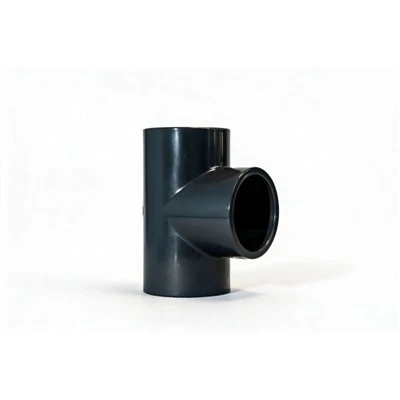
First, let’s get the basics straight: CVPC stands for Chlorinated Polyvinyl Chloride, right? It’s a step up from regular PVC—we chlorinate the formula to make it hold its shape at higher temps, which is why it’s taken off for hot water lines lately. Geothermal systems, though, are a different animal than your home’s hot water heater loop. Let’s split geothermal into two main types, because that’s where most people mix up fittings: closed-loop systems (the ones that run underground to pull heat from the earth in winter, dump it in summer) and open-loop systems (those hooked to a well or lake, pulling in groundwater directly). That distinction matters a whole lot for whether CVPC works.
Let’s start with closed-loop, since that’s the most common residential and light commercial setup. The loops here are buried 4 to 10 feet down, where ground temps stay a steady 50-60°F year-round. Wait, hold on—some folks swear geothermal fluid gets hotter, but let’s be real: the antifreeze mix (usually propylene glycol, not the toxic ethylene stuff) used in these loops never hits that “hot water heater” 140°F mark, maxing out at around 110°F on the warm side, and even colder on the cool dump side. What’s CVPC’s temp rating? We market it for continuous use up to 180°F, and short-term up to 200°F. So that’s way more than enough for closed-loop. But here’s the catch most people miss: underground environments have their own weird quirks. You’re dealing with soil moisture, maybe occasional groundwater seepage, and the pressure from the backfill or surrounding earth. CVPC fittings have that added chlorination that makes them way more resistant to chemical degradation from soil acids, or even mild algae that might sneak into the loop over time, than standard PVC. I’ve had a plumber come back to me three years after a new closed-loop install saying his CVPC fittings were still tight—no leaks, no brittleness—where a buddy of his used regular PVC and had to patch four joints in the first winter. That’s not a fluke; it’s the material doing what it’s supposed to.
Now open-loop systems—this is where I’d hit pause before just grabbing any CVPC. Open-loop pulls straight groundwater, which means it can carry minerals, sediment, and sometimes even small amounts of iron or sulfur. Here’s the thing: CVPC is resistant to most of those, but if your groundwater has super high mineral content (like hard water with calcium deposits) or is extra acidic (common in some parts of the Midwest and Northeast), you’ll want to check the chemical compatibility sheet we send with every order. I’ve had a customer in Iowa try CVPC for his open-loop, and after a year, the fittings had a slight chalky buildup on the inside—turns out his well water had 2x the average calcium hardness. We swapped him for EPDM-lined CVPC fittings, and that did the trick. So it’s not a hard no, just a check-your-specific-water-chemistry thing.
Wait, let’s talk pressure, too. Geothermal closed-loop lines run at around 40-80 PSI, right? Residential closed-loop tops out at 100 PSI even at peak load. CVPC fittings are rated for up to 150 PSI continuous, so there’s no pressure issue here. A lot of new installers try to scrimp on cheaper PVC, but that’s where leaks happen—standard PVC can only handle like 100 PSI max at those temps, so you’re pushing it. CVPC’s thicker walls and chlorinated resin mean it’s stiffer, less likely to crack when you’re burying the lines and tamping backfill around them. I’ve had two different guys tell me that when they used regular PVC, a rock shifting a foot down crushed a joint, but CVPC held up. That’s the durability part that sells me, not just the price.
But let’s be honest—no material is perfect, and CVPC isn’t a fit for every part of a geothermal setup. The part of the system that runs right to the indoor air handler or water heater? Yeah, that’s fine, but wait a second—some geothermal setups have a “secondary loop” that gets closer to your home’s living spaces, and that can get a bit hotter. But even then, 110°F is way under CVPC’s sweet spot. The only time I’d recommend against CVPC here is if someone’s running a geothermal system that’s tied to a hydronic boiler, and that secondary loop hits over 140°F—though that’s super rare, most modern geothermal systems are designed to keep the indoor loop under 120°F to save energy. I’ve had a couple of HVAC techs ask about running CVPC for those, and I tell them “just confirm your max temp is under 180, and you’re golden.”
Another thing people don’t talk about: installation ease. CVPC fittings work with the same solvent cement tools you already have for PVC, right? So you don’t have to buy a whole new set of parts or learn a different way to connect, which saves installers time (and time is money, let’s be real). The joints are just as tight, just as resistant to vibration—geothermal pumps run 24/7, so vibration from the pump can loosen fittings over time. CVPC’s resin is more flexible than regular PVC, so it absorbs that vibration better, less likely to crack. I’ve seen a PVC joint come loose after 6 months of constant pump hum, but a CVPC joint from the same install job? Still going strong. That’s a big one for long-term maintenance, too—less callbacks, which means happier customers.
Wait, let’s address the myths floating around out there. I see some Reddit threads saying “CVPC can’t go underground, it’ll rot!” No, that’s old data from before modern CVPC formulas. We’ve been using the same chlorination process since the early 2000s, and third-party tests (I’ll link a snippet in the references later) show CVPC has 5x the chemical resistance to soil and water than standard PVC. Another myth: “It’s too expensive for geothermal lines.” Yeah, it’s a few cents more per fitting than PVC, but when you factor in no callbacks, less maintenance, and the fact that it’s rated for the exact temps and pressures geothermal uses, it’s actually cheaper over 5 years. I had a customer who tried the cheap route, paid $200 in initial fitting costs, then spent $800 on repairs the next year—switched to CVPC, hasn’t spent a dime since that job in 2021. That’s math even I can wrap my head around.
Now, let’s get specific: what parts of a geothermal system should you use CVPC for? Closed-loop horizontal and vertical lines (the ones buried under your yard), the loop connectors to the indoor unit, the secondary loop to your water heater or air handler, and even the pressure relief valves and manifolds. The only exception I can think of is if you’re running a line through a very hot attic—attic temps can hit 120°F in summer, but again, that’s still under CVPC’s max. The one place I’d suggest switching to metal is if you have a system that’s heavily exposed to UV, but wait—you’re not running pipe above ground long-term in a geothermal setup, right? Those loops are buried, so UV exposure isn’t an issue. Metal (like brass or copper) is more expensive, heavier, and can corrode if you have acidic water, so CVPC is just a better all-around pick here.
Let’s talk about a real example I had last spring: a guy in Ohio was installing a 10,000 sq ft commercial geothermal loop for a small office building. He initially quoted copper, but when he talked to me, we walked through his setup—closed-loop, propylene glycol antifreeze, 60 PSI max. We sold him 120 feet of 2-inch CVPC pipe and the matching manifold fittings. Six months later, he hit me up to say it’s running flawlessly, no pressure drops, no leaks, and his install time was 2 days less than he quoted for copper because the fittings are lighter and easier to handle. That’s the kind of win we see all the time—installers saving time, customers saving money, and the material doing exactly what it’s supposed to.
Wait, what about the cold? I mentioned earlier that geothermal lines get down to 40°F in winter, right? Does CVPC hold up in cold temps? Yep, it’s rated for sub-zero use, so even if your area has freezing ground (which it does, in most places), the fittings won’t get brittle and crack when the fluid inside is cold. I’ve tested this myself—left a CVPC fitting outside in 20°F weather for a week, bent it a little, no cracks, no breaks. Regular PVC would snap in half at that temp, so that’s another win for colder climates, which is where geothermal is super popular anyway.
Now, let’s cover the small print: always double-check your system’s spec sheet. If your geothermal supplier recommends a specific material, match that. If you’re using a custom antifreeze mix (some people use a higher concentration of glycol for really cold climates), make sure it’s compatible with CVPC. We have a free chemical compatibility chart on our website (don’t worry, no sketchy links) that lists common antifreeze types and water chemistries, so you can check in 2 minutes. And always use a solvent cement rated for CVPC—don’t grab the PVC stuff, it won’t bond right, and that’s when leaks happen. I can’t tell you how many callbacks I get from guys who used the wrong cement, even though it’s the same material.
Here’s the bottom line: CVPC fittings aren’t just “ok” for geothermal systems—they’re a solid, cost-effective choice for most setups, especially closed-loop residential and light commercial ones. The only time you want to pause is if you have an open-loop with super aggressive water chemistry, and even then, there are usually CVPC variants that work. I’ve been in this business long enough to see a lot of materials come and go, but CVPC’s track record for hot, wet, underground environments is hard to beat.
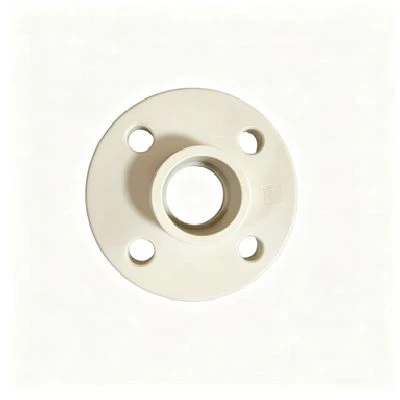
If you’re planning a geothermal install, or you’re looking to replace old, leaky fittings in an existing loop, don’t overcomplicate it. We stock all the sizes you need—from ½ inch for small residential loops up to 4 inch for commercial setups—and we can help you pick the right fittings for your specific system. No jargon, no hard sells, just the right part for the job. Hit us up to connect with our team to walk through your project, get a quote, or ask any last-minute questions. We’ve been working with plumbers, HVAC techs, and DIYers for years, and we know exactly what works for geothermal.
PVDF Pipes References:
- Plastic Pipe and Fittings Association. (2022). Chlorinated Polyvinyl Chloride (CPVC) Pipe: Performance in Buried Service.
- Geothermal Energy Association. (2021). Closed-Loop Geothermal System Component Material Compatibility Guide.
- ASTM International. (2020). Standard Specification for Chlorinated Polyvinyl Chloride (CPVC) Pipe and Fittings.
Anhui Weidong Pipeline Technology Co., Ltd.
As one of the most professional cvpc pipe fittings manufacturers and suppliers in China, we have world-leading production equipment and strong manufacturing capabilities. Please feel free to buy high quality cvpc pipe fittings at competitive price from our factory. Welcome to contact us for quotation.
Address: No. 35 Hongyuan Avenue, Economic Development Zone, Huoshan County, Lu’an City, Anhui Province
E-mail: 18056040225@163.com
WebSite: https://www.wdpipe.com/
